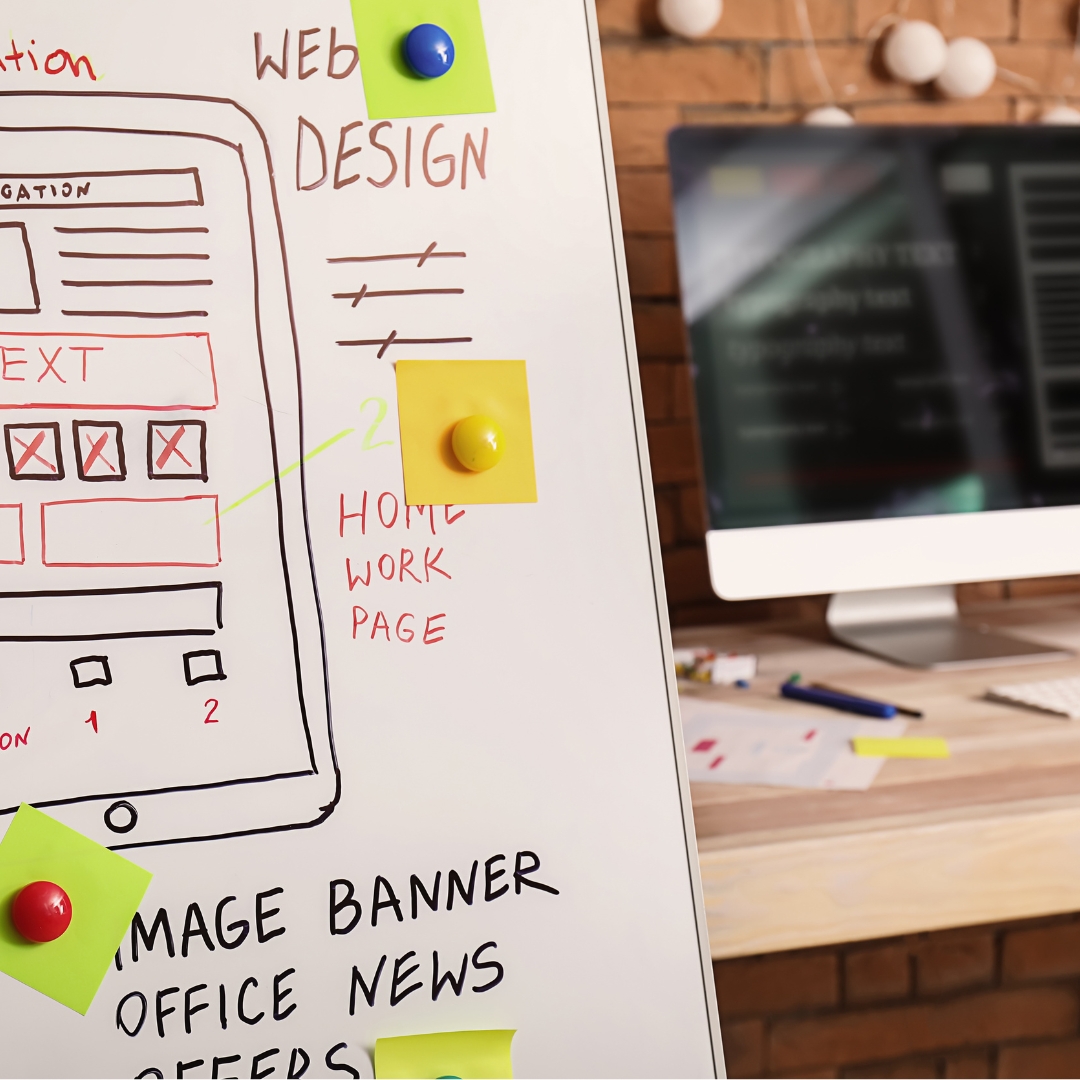
The web design process runs in eight stages: discovery, planning and sitemap, wireframing, design, content, build, testing, and launch with aftercare. A good project moves through them in order, and the single biggest thing that slows any of it down is not the design, it is how quickly content and feedback come back from you.
If you have never had a website built, the whole thing can feel like a black box. You brief someone, money changes hands, and weeks later a site appears. Knowing the stages in advance makes it calmer, cheaper and better, because you know what is coming and what is expected of you. Here is how a good web project actually runs.
1. Discovery, before anyone touches a pixel
The best projects start with questions, not design. Who is the site for? What do you want a visitor to do? What do you sell, and why should someone choose you over the next option? Skip this and you get a pretty site that says nothing. A good agency will also look at your competitors and your customers here, so the site is built around real people rather than guesswork.
2. Planning and sitemap
With the goals agreed, the next job is structure: which pages you need and how they connect. This is the sitemap, the skeleton of the site. Getting it right now means you are not rebuilding navigation halfway through. It is also where the scope gets pinned down, so there are no surprises about what is and is not included.
3. Wireframing
A wireframe is a simple, greyscale layout of each key page, boxes and labels showing where things go, with no colours or fancy styling yet. It sounds unglamorous, but it is one of the most valuable stages, because it settles layout and priority before anyone spends time on the visual polish. People often ask the difference between a wireframe and a prototype: a wireframe is the static blueprint, a prototype is a clickable version that lets you feel how the site flows before it is built.
4. Design
Now the look. A designer turns the wireframes and content into a visual layout, first the key pages, then the rest. Expect a round or two of feedback. The aim is not to win a design award. It is to make the site clear, on-brand, and easy to act on, so the right thing is obvious on every page.
5. Content
Words, images, video. Content is usually the thing that holds projects up, so a good agency helps shape it early rather than leaving you staring at blank pages at the end. This is also where basic SEO starts: each page focused on a single topic, with the headings and structure search engines and AI tools can actually understand.
6. Build
The approved design gets turned into a working website, usually on a platform like WordPress. This is where responsiveness (how it behaves on a phone), speed, and the technical basics of SEO are handled. You should be able to see it on a staging link, a private preview, before it goes anywhere near the public.
7. Testing
Before launch, everything gets checked: links, forms, mobile, load speed, browsers, and how it reads to a first-time visitor. This is the quality-control stage that separates a professional build from a rushed one. It is far cheaper to fix things here than after launch.
8. Launch and aftercare
Then the site goes live, with analytics and tracking set up so you can actually see what it does. But a website is not finished at launch, it is started. Good partners stay on hand for fixes, updates and improvements as you learn what visitors do. Ask about aftercare before you sign, not after.
How long does a website take?
For a small business site, plan for roughly four to eight weeks, sometimes longer for anything with custom features, integrations or e-commerce. The single biggest variable is not the design, it is how quickly content and feedback come back from you. Projects that stall almost always stall on the client side, not the studio side.
What does the process cost you in time?
Money aside, a website costs you attention. Expect to spend real time up front answering discovery questions, then gathering content, then giving feedback at the design and build stages. Front-load that effort and the project flies. Drip-feed it and even a simple site drags on for months.
How to be a good client
- Get the content moving early. It is almost always the bottleneck.
- Give clear, consolidated feedback. One considered reply beats ten piecemeal ones.
- Involve the decision-maker from the start. Nothing costs more time than a fresh opinion arriving at the final review.
- Trust the questions. If your designer is asking about your customers before your colours, that is a good sign.
Get the process right and a website is not a cost you dread. It is one of the hardest-working assets in the business.
Frequently asked questions
What are the stages of the web design process?
Discovery, planning and sitemap, wireframing, design, content, build, testing, and launch with aftercare. Good projects move through them in order rather than jumping straight to the visuals.
How long does it take to build a website?
Typically four to eight weeks for a small business site, longer for custom features or e-commerce. The biggest factor is how quickly the client provides content and feedback.
What is the difference between a wireframe and a prototype?
A wireframe is a static, greyscale blueprint of a page’s layout. A prototype is a clickable version that lets you experience how the site flows before it is built.
Do I need to provide the content, or does the agency?
Usually a mix. You know your business best, so the raw material comes from you, but a good agency will help shape, structure and sometimes write it so it works for both readers and search engines.
What happens after my website launches?
Aftercare: fixes, updates, security, and improvements based on how real visitors behave. A launch is the start of the site’s life, not the end of the project, so agree what ongoing support looks like before you sign.
Not sure your current site is doing its job? Book a 30-minute call with Dan for a straight look at where it is winning and losing.

Are you showing up when people ask AI?
More customers are asking ChatGPT, Perplexity and Google’s AI who to use. Get a free AI visibility audit and see whether they recommend you or your competitors. Run live with Dan, no obligation.
Get my free AI visibility audit